Custom LASIK and laser vision correction from Kugler Vision. Omaha’s first practice to offer all 7 advanced procedures, including solutions for nearsightedness, astigmatism, cataracts, and dependence on reading glasses.
Nebraska's First Practice to Offer All 7 Procedures
Since 2005, the team at Kugler Vision has helped patients across Omaha, Nebraska, achieve life-changing clarity through advanced laser vision correction. We are Nebraska’s first practice to offer all seven modern procedures, including LASIK, SMILE, PRK, EVO ICL, Refractive Lens Exchange, Blended Vision, and Laser Cataract Surgery. We match every patient with the procedure that’s right for their eyes, not the one we’re trying to sell.
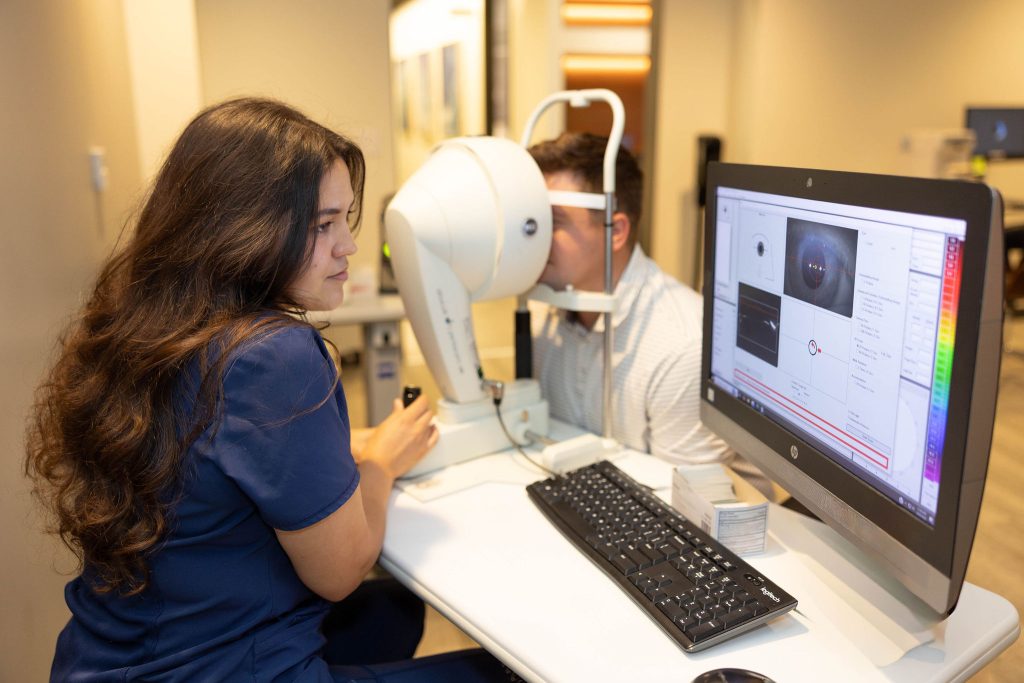
Whether you’re a LASIK candidate or not, we have a proven solution. Our proprietary EyeAnalysis™ technology maps your unique eye across 22,000+ data points to recommend the right treatment for your prescription, corneal shape, and lifestyle.
Dr. Kugler has performed over 30,000 vision correction procedures and is a Fellow of the World College of Refractive Surgery & Visual Sciences — a credential held by fewer than 3.33% of LASIK surgeons nationwide and only two in Nebraska. He is Assistant Professor of Refractive Surgery at the University of Nebraska Medical Center’s Truhlsen Eye Institute and a 2019 TEDx speaker on the global myopia epidemic.
Top 3%
Top Tier of LASIK Surgeons (WCRS)
20+
Years Experience
47
States Served
Every patient deserves personalized care – not a one-size-fits-all approach.
Meet Your Surgeon
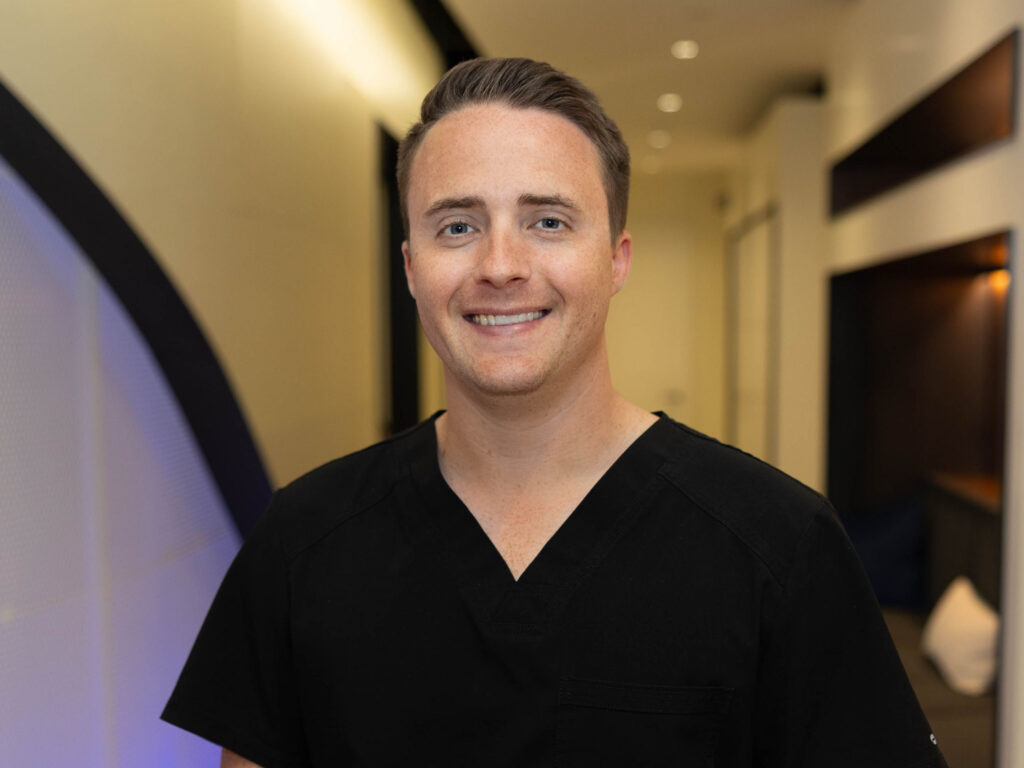
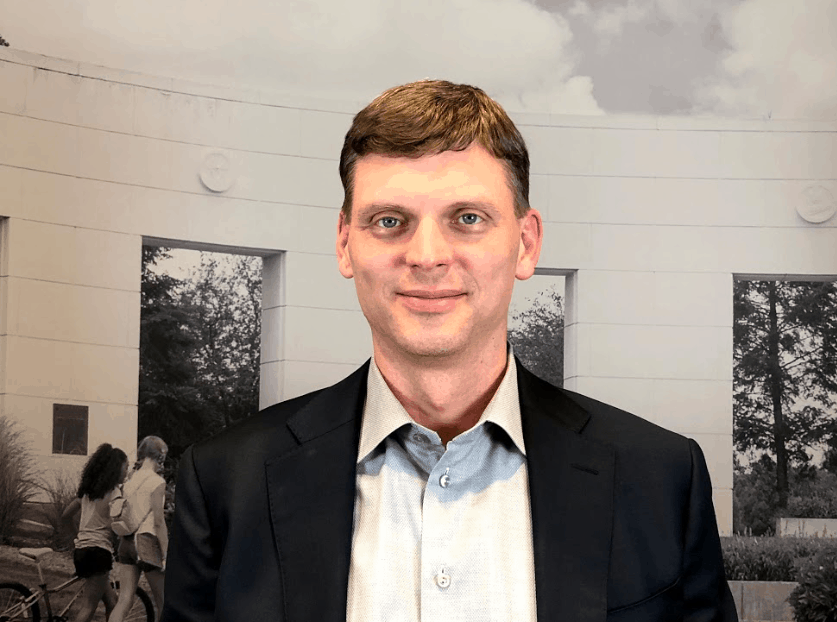
Drew Dickson, M.D.
Board-Certified Opthalmologist
Dr. Dickson is a Fellow of the World College of Refractive Surgery & Visual Sciences, joining Dr. Kugler as one of only two WCRS Fellows in Nebraska. He completed his ophthalmology residency at the Medical University of South Carolina’s Storm Eye Institute — a top-10 program nationally — followed by a Cataract and Refractive Surgery Fellowship at Kugler Vision. He is a member of the Alpha Omega Alpha Medical Honor Society and a recipient of the AECOS Young Ophthalmic Leaders Award.
Top 3%
Top Tier of LASIK Surgeons (WCRS)
10
Top 10 Residency (Storm Eye Institute)
7
Surgical Specialties
Restoring sight is more than a medical procedure; it’s a lifelong commitment to enhancing the quality of life for my patients.
Why choose Kugler Vision for LASIK & vision correction?
Kugler Vision is an internationally recognized eye surgery center of excellence — making our Omaha, Nebraska office a destination for people seeking world-class vision correction outcomes.
Both Dr. Kugler and Dr. Dickson hold a fellowship with the World College of Refractive Surgery & Visual Sciences. Only 3.33% of refractive surgeons hold this credential.
Kugler Vision is the only eye care provider in the Omaha area that performs all seven advanced forms of modern vision correction. Because we specialize in all vision correction methods, you can be confident that your recommendation is tailored to your eyes and your specific needs, for clear vision without the need for glasses or contacts.
Patients have traveled from 47 states and several countries to seek vision care from our expert team of eye doctors and surgeons.
Kugler Vision is the doctor’s choice. Doctors travel from around the world to Omaha so they can collaborate with and learn from our friendly, professional eye surgeons and staff.
Kugler Vision also participates in the Focus on Independence Program, which provides vision correction at no cost to those affected by paralysis.
Dr. Kugler is a featured TEDx speaker on vision correction and the newest technological developments for the treatment of myopia (nearsightedness). You can watch his TEDx talk here: TEDx 2019 talk by Lance Kugler, MD.
Don’t take our word for it – read one of the over 1,000+ 5-star reviews left by satisfied patients in Nebraska and beyond.
How can Kugler Vision help me get the most out of life?
Our mission is to help you get the most out of life by achieving amazing vision. There’s no need to live a life restricted by dull, blurry vision and the never-ending hassles and expense of glasses and contact lenses. You deserve to feel empowered and confident so you can enjoy the things you love with crisp, clear vision. One of our seven modern LASIK procedures can help you get there.
What if I have a tough vision problem?
If you’re dealing with a tough vision problem, like a high prescription, astigmatism, or dependence on reading glasses, don’t be discouraged. At Kugler Vision, our award-winning Omaha LASIK team can help. As the first team in Omaha to specialize in all seven modern vision correction procedures, we have customized solutions for even the most challenging cases, so you can experience life free from glasses and contacts.
What if I am nervous about vision correction?
We completely understand. You only have two eyes, and trusting someone with them is a big deal. That’s exactly why patients travel from 47 states and several countries to Kugler Vision, and why we’ve earned over 1,400 5-star reviews from people who once felt exactly how you feel right now. We’ve guided thousands of nervous first-timers through the process, and what we hear most often afterward is, “That was so easy. Why did I wait so long?” Our team takes the time to walk you through every step, answer every question, and make sure you feel confident before, during, and after your procedure.”
How long does LASIK or another vision correction procedure take?
Most vision correction procedures take about 10 minutes per eye, with the laser treatment portion often lasting just a minute or two. Plan on being at our Omaha office for about 1.5 to 2 hours.hours total, including prep and a short post-procedure rest. Every procedure we offer is outpatient and completed the same day.
Am I a candidate?
Take our quick vision quiz. Over 80% of patients who were told ‘no’ elsewhere find a solution here.
SMILE and LASIK correct the same problem — nearsightedness — by reshaping the same structure, the cornea. However, more people have heard of the household name LASIK. Drew Dickson, MD, refractive surgeon at Kugler Vision in Omaha, Nebraska, visited with KETV Very Local Business Spotlight to explain the similarities and
Shreeya Mishra has worn glasses since she was five years old. She knows what it feels like to wake up and reach for them before she can see the clock, to feel contacts dry out under the exam room lights, to carry solution and backup pairs everywhere she goes. She
Most vision correction procedures are permanent by design. That is usually the point — and for most patients, it is exactly what they want. EVO ICL offers something different. Not because permanence is a problem, but because some patients want the option to change course if their eyes or their